

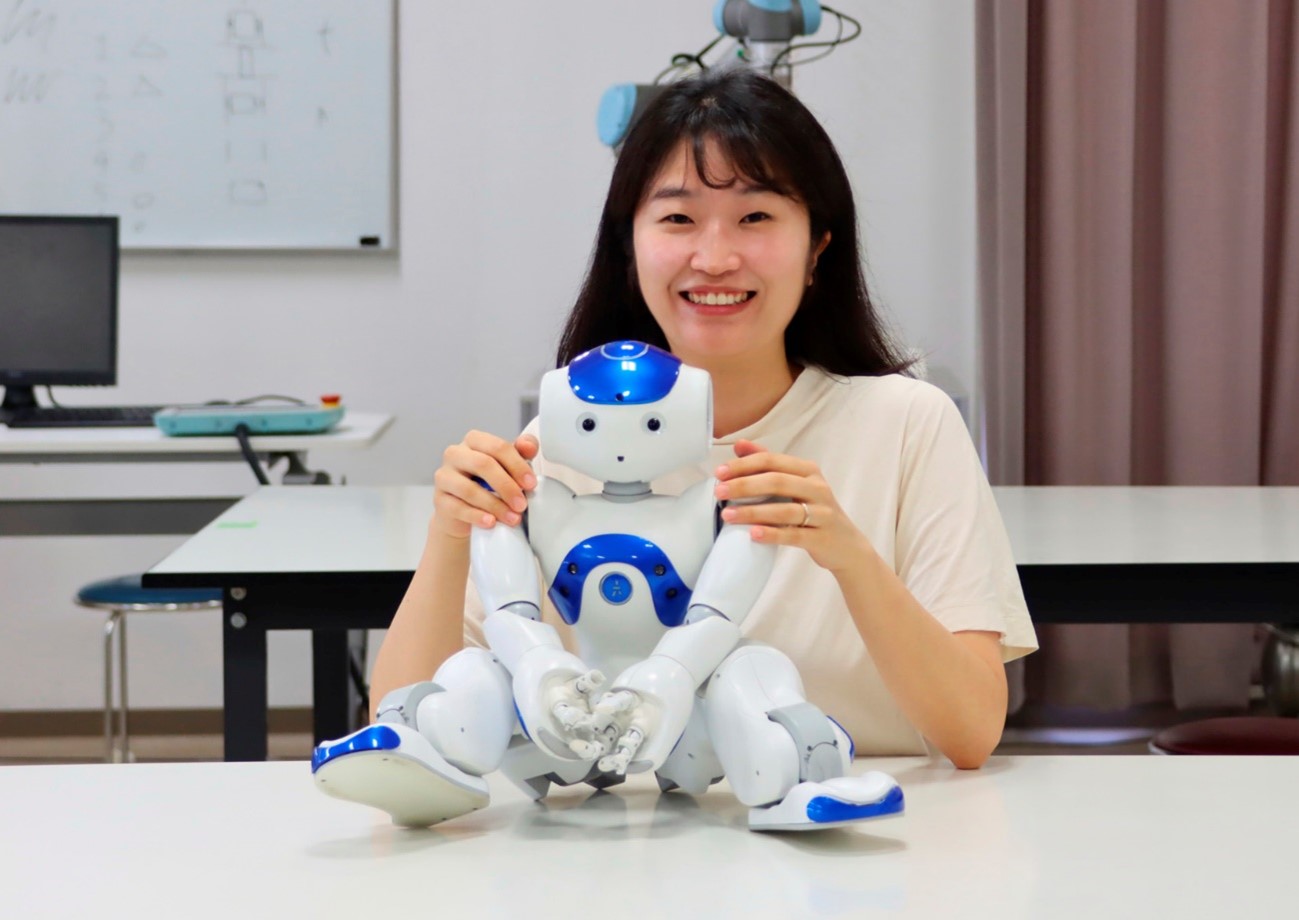
Developing robots to help people in need
Profile
Associate Professor Jaeryoung Lee was born in Busan, South Korea. She completed the doctoral program in Mechanical Science and Engineering at the Graduate School of Engineering, Nagoya University, Japan, and holds a Ph.D. in Engineering. She came to Japan as an international student in 2009 and joined Chubu University in 2014. She is currently an associate professor in the Department of Artificial Intelligence and Robotics, College of Science and Engineering.
Before coming to Japan, Associate Prof. Lee lived in several cities in South Korea, including Busan, Changwon, Ulsan, Seoul, and Incheon. Nagoya—where she currently resides—is the city in which she has lived continuously for the longest period in her life.Her favorite Korean food is kimchi. She and her husband were quite disappointed when during the COVID-19 pandemic, they were unable to order the kimchi that they regularly ate.Her hobbies tend to change with trends, and she is currently enthusiastic about running. She also enjoys swimming and mountain climbing.
Close Up with Associate Prof. Lee!
Research Interest
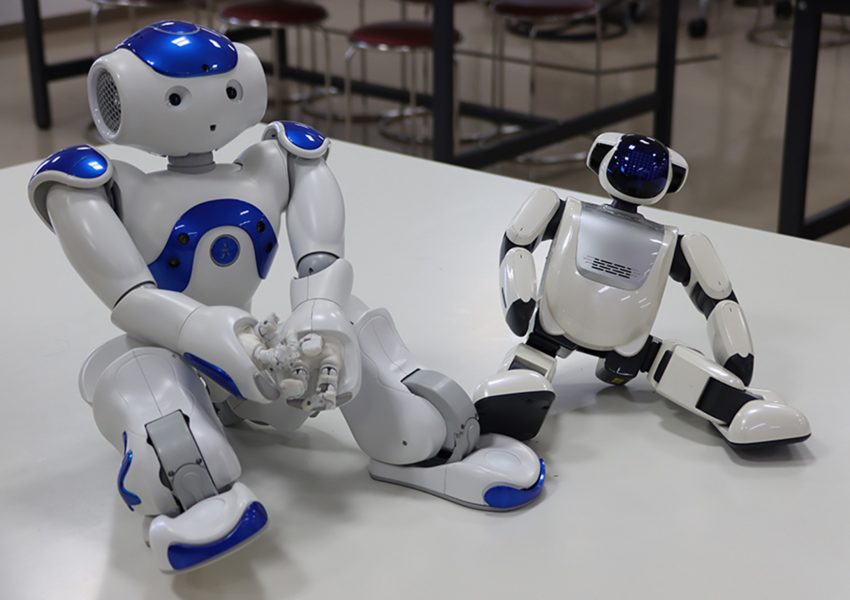
My research focuses on developing AI robots that support people who have difficulty communicating smoothly with others, such as children with developmental disabilities and elderly people with dementia. For example, children with autism often have difficulty expressing their feelings through words or facial expressions. For these children, play-based therapy that helps to practice communication is effective. By using robots as play partners, children tend to open up more easily than when interacting with humans. At the same time, the robots can observe and interpret body movements, facial expressions, and spoken content. In addition, the data collected by the robots can include biological information such as heart rate and skin temperature. With this information, it is possible to understand emotional states, such as whether the person is concentrating or enjoying the activity. In other words, my goal is to create intelligent robots that can read people’s emotions and provide appropriate support tailored to each individual.
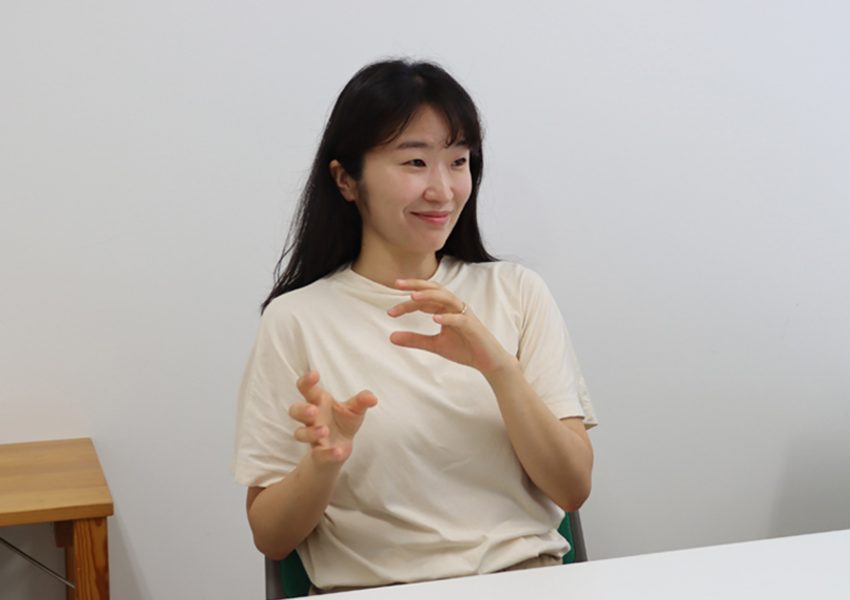
How did you start your research?
Since I was a child, I have wanted to work in a job that helps people. When I was a university student, I took part in a wide range of activities, such as volunteering at a children’s hospital to play with young patients, participating in projects to build houses for people living in poverty, and serving as an interpreter at events that promoted international exchange among children. Through these experiences, I began to feel that I wanted to challenge myself not only by doing work that directly helps individuals, but also by contributing to society through the knowledge and skills I had learned. At the time, my research focused on robots used for military purposes, but I wanted to deepen my studies of robots that could contribute to society. This led me to enter graduate school in Japan and join a laboratory where I could study robots used for social welfare. From there, it was a natural progression for me to begin research on robots that support people in need.
Using robots at a summer camp for children with autism
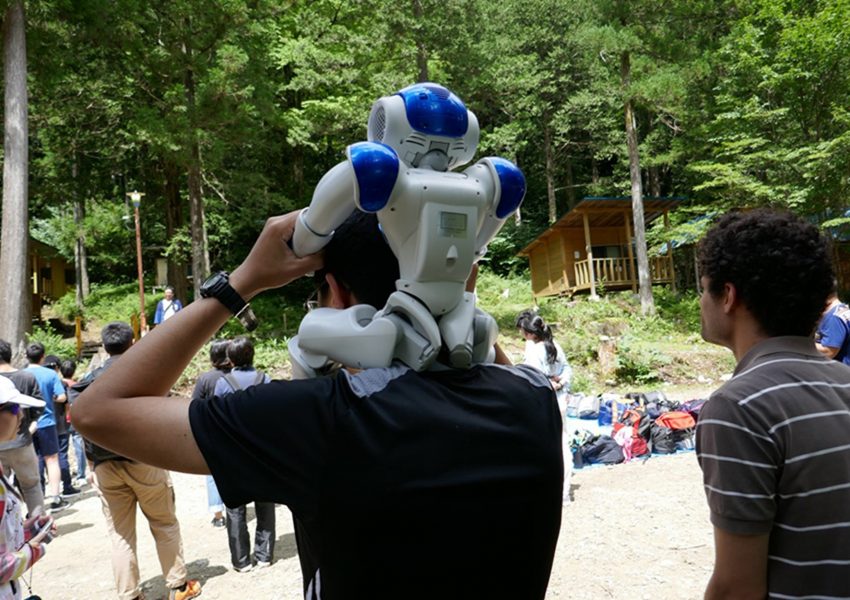
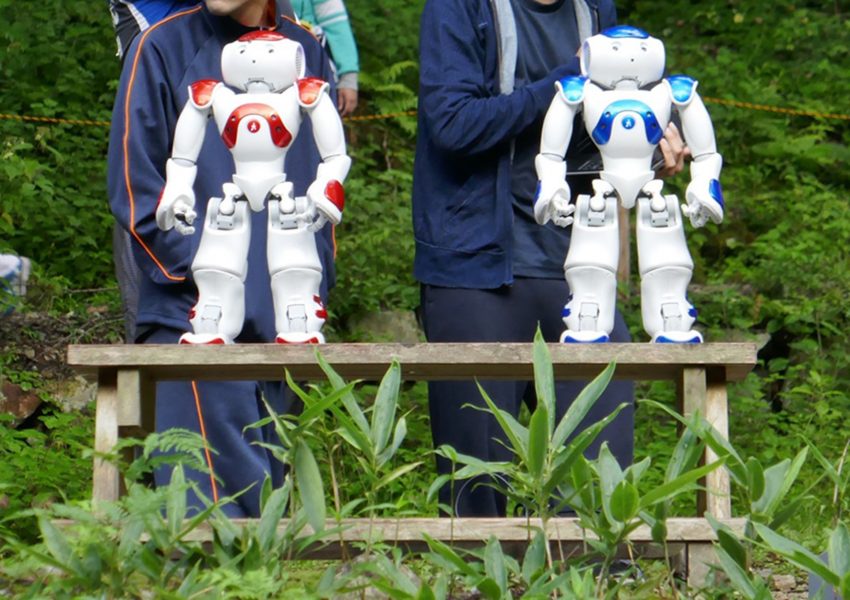
From my time as a graduate student until the COVID-19 pandemic, I participated almost every year in a summer camp for children with autism organized by the Aichi Autism Association. The camp was held for several days in the mountains of Nakatsugawa City, Gifu Prefecture, and its purpose was to deepen interactions by spending time together with the children—cooking meals, playing in the water, and enjoying fireworks. I brought along robots that I had developed myself, allowing the children to touch them and play with them freely. When I was a student, I participated in the camp by myself, but after I joined Chubu University, I began attending together with students from my laboratory. As I brought robots with me every year, the children began to recognize me as ‘the person who brings robots,’ which has become a special memory for me.
At one point, we tried a new challenge by using multiple robots programmed to lead the morning exercises in place of a human instructor. The children, their parents, and the staff all performed the exercises together while watching the robots. The sight of a large group of people gathered around two robots in the mountains, doing exercises together, was a very intriguing and memorable experience for me as a robotics researcher. I was delighted to see that the children showed little resistance to the robots and were genuinely interested in them.
Student Life
As an undergraduate student, I was interested in many different aspects of the world around me. Although I majored in mechanical engineering, I was also curious about other academic fields and the kinds of people who studied them, so I took classes in economics and media studies as well. Although I sometimes found these unfamiliar fields of study challenging, looking at the world from the perspective of a completely different discipline was very fresh and fascinating.
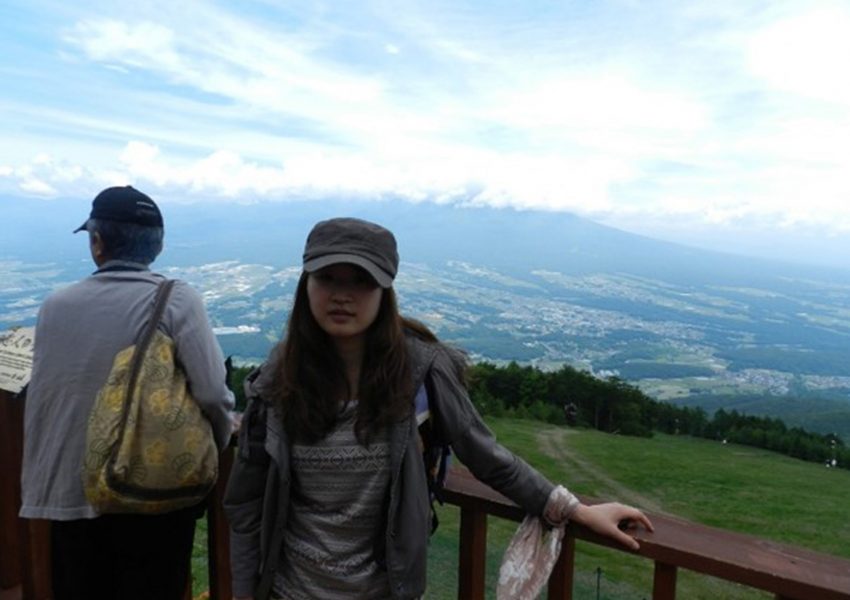
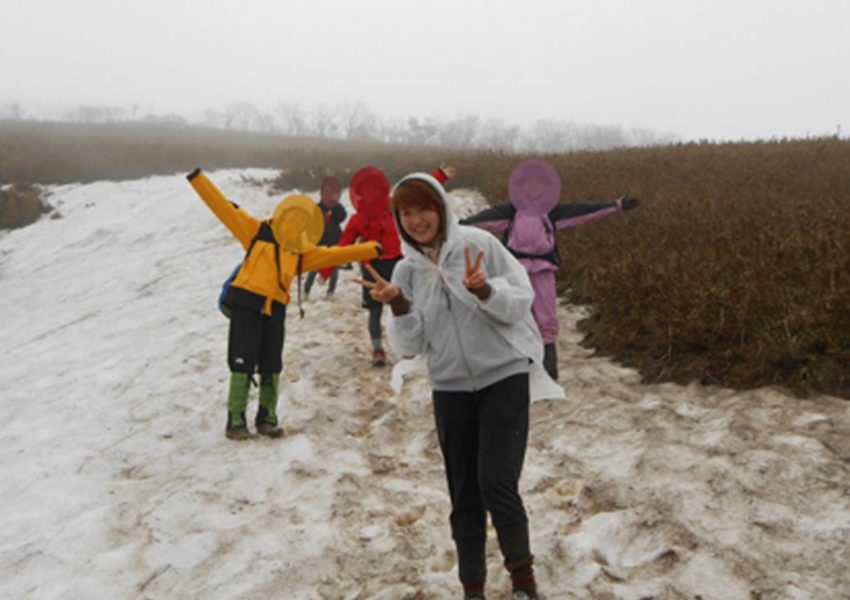
During my graduate studies, I had opportunities to get to know international students from many different countries, both at my off-campus residence and on campus. These experiences broadened my perspective. We took Japanese language classes together, went hiking and snowboarding, and enjoyed cultural exchange by cooking and sharing dishes from our respective home countries. These all helped me gain a wide range of valuable experiences.
Message
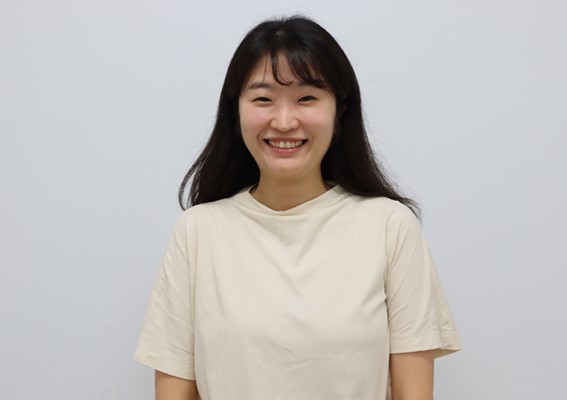
Every year at the university entrance ceremony, I share one message with the new students. University life is usually the final stage of being a student, so I hope you will spend this time thinking carefully about what you like and how you want to live, while gaining many different experiences. Of course, this should be done while taking your studies seriously.
Some students think that once they choose a department, their future path is already decided. I do not think that is true. University is a place where you can explore many different fields and try new things. Think for yourself and actively seek out new experiences. These experiences will become an important foundation for living a happy and fulfilling life in the future.