Learn Across Diverse Fields and Find Your Path!
What Fields Can You Aim For?
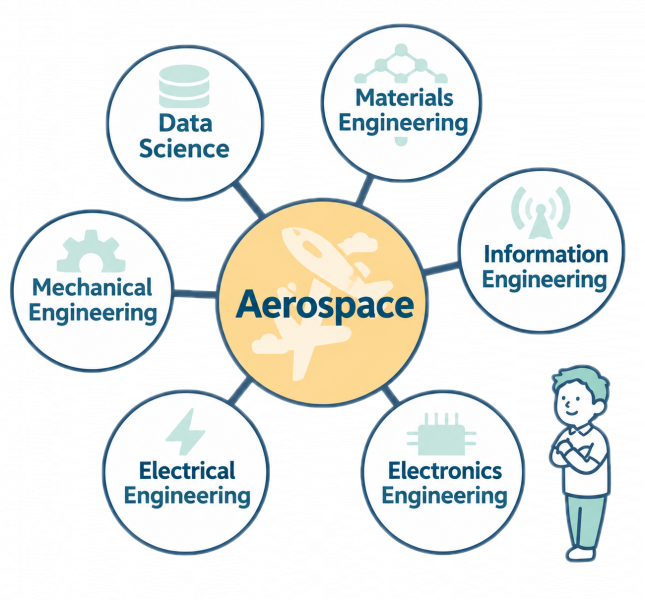
By cross-disciplinarily studying broad academic fields essential to aerospace—such as mechanical engineering, electrical engineering, electronic engineering, information engineering, materials science, and data science—you can aim to become an engineer who excels in diverse industries.
Department Curriculum Map(in Japanese)
5 Career Paths as an Engineer You Can Aim For
1. Aerospace Engineers
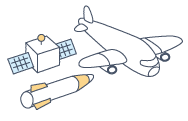
Students deepen their expertise primarily in aerospace technologies through courses on rocket systems, flight dynamics, and aerospace vehicle design practice.
In addition to the four fundamental mechanics (Engineering Mechanics, Mechanics of Materials, Thermodynamics, and Fluid Mechanics), you can also learn electrical and information systems essential for developing, designing, and manufacturing next-generation aerospace vehicles.
Graduates are active in the aerospace sector at companies such as Kawasaki Heavy Industries, Ltd., IHI Corporation, ANA, SUBARU Corporation, NIPPI Corporation, JAMCO Corporation, IHI Jet Service Co., Ltd., and MHI Aerospace Technologies Co., Ltd.
2. Data Science Engineers

Alongside aerospace technology, students master data science skills such as data processing and utilization.
Through courses like “Numerical Analysis Practice” and “Applied Space Information,” you can learn programming and MATLAB, which are essential for data science.
Students can also conduct research in remote sensing, security, and image recognition, deepening their knowledge of AI and machine learning.
Graduates thrive in IT and software companies like FUJISOFT INCORPORATED and Sky Co., Ltd.
Some students fascinated by remote sensing go on to work at agri-tech startups or leading greenhouse manufacturers.
3. Automotive Engineers
Students can gain skills transferable to automotive engineering from aerospace technologies, including heat transfer engineering, mechatronics, and production systems.
The aerospace and automotive industries share many core technologies, and students learn drafting and CAD (CATIA).
For CATIA in particular, hands-on training is conducted in one of Japan’s largest computer labs with one license dedicated to each student.
Many graduates find employment at major automakers like Toyota Motor Corporation, Honda Motor Co., Ltd., Nissan Motor Co., Ltd., and Mitsubishi Motors Corporation, as well as automotive component suppliers such as AISIN Corporation, Sumitomo Wiring Systems, Ltd., Nidec Corporation, Toyoda Gosei Co., Ltd., and Toyota Boshoku Corporation.
4. Mechanical Engineers
Students build practical capabilities by studying mechanical technologies related to aerospace, including mechanics of materials, fluid mechanics, thermodynamics, structural mechanics, and CAD practice.
Hands-on experimentation with large-scale facilities—such as high-speed and low-speed wind tunnels and various material testing machines—is fully supported.
Graduates play active roles at companies such as Mitsubishi Heavy Industries, Ltd., Yamazaki Mazak Corporation, Kobe Steel, Ltd., Toyotetsu, Sinfonia Technology Co., Ltd., and Kintetsu Railway Co., Ltd.
5. Electronics and Information Engineers
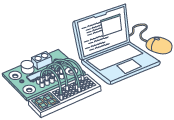
Through lectures and practical exercises, students gain a deep understanding of electronic and information technologies related to aerospace, such as electrical/electronic circuits, software, and control engineering.
You can also research essential industrial skills like motor control, as well as software topics like security and flight simulation.
Graduates are active in electrical companies and IT/software firms such as Stanley Electric Co., Ltd., Mitsubishi Electric Software Corporation, Chuden CTI Co., Ltd., BUFFALO INC., and NTT Innovative Devices Corporation.
Others
The solid engineering foundation cultivated in the Department of Aerospace Engineering is applicable well beyond the five fields listed above, extending to professional and technical careers across a wide variety of industries.
By developing well-rounded STEM fundamentals unconstrained by a single discipline and the ability to systematically understand complex systems, you can become an engineer capable of adapting flexibly to changing times and emerging technology domains.
Graduates thrive in diverse fields—for example, in electrical engineering roles at infrastructure and railway companies like Central Japan Railway Company (JR Central), or in chemical and materials engineering roles at major chemical manufacturers like Mitsubishi Chemical Corporation.
A Stage for “Monozukuri” (Manufacturing) That Creates Dreams
The Department of Aerospace Engineering in the College of Engineering at Chubu University is a dream setting where high school students can realize their passion for space, aviation, and “monozukuri” (manufacturing) through exciting learning and hands-on experiences!
Feature 1: Hands-on Learning to Shape the Future! Practical Education & State-of-the-Art Facilities
In this department, learning isn’t just about sitting in lectures. You will gain hands-on experience and embrace trial-and-error to feel both the joy and challenge of manufacturing firsthand.
- Unleash Your Passion for Manufacturing!
A love for manufacturing is the ultimate driving force here.
For example, a graduate student whose dream is “to see a rocket engine I designed and manufactured fly into space” works on research “with great joy every day,” even after facing setbacks like seeing a rocket engine built over several months break in just a few seconds.
The thrill of witnessing the moment your own custom-designed rocket engine ignites is truly an unforgettable experience. - Experience the “Real Thing” with Authentic Facilities!
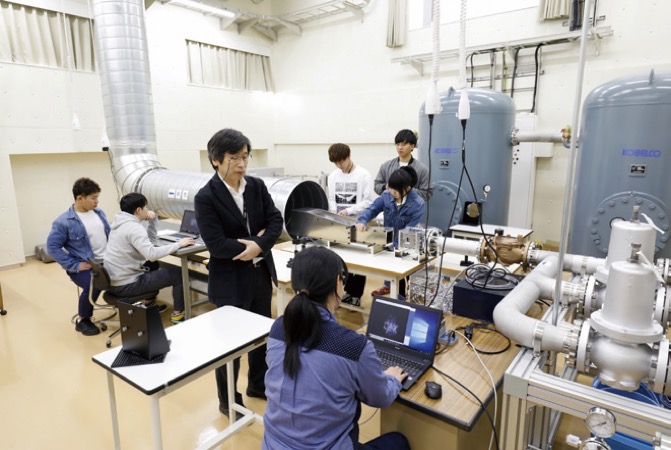
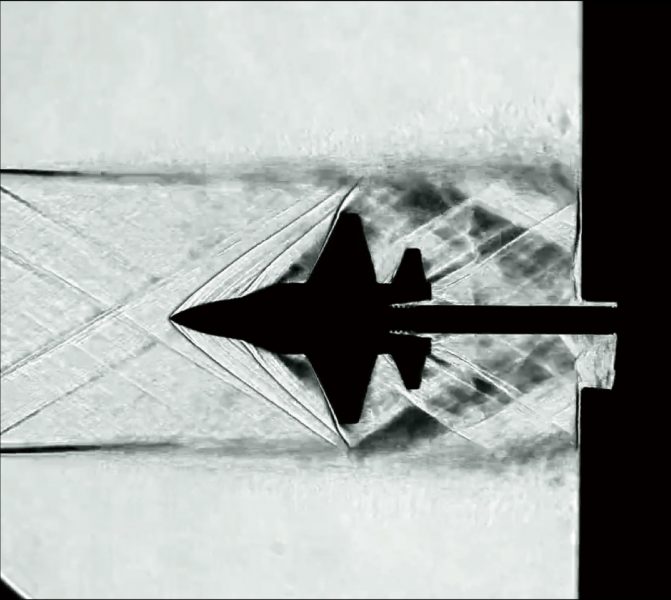
The experimental building is fully equipped with large-scale aerospace apparatuses, including a high-speed wind tunnel that generates airflows two to three times the speed of sound, electric propulsion test systems, and material testing machines.
There is also a flight simulator where you can experience piloting an aircraft, which is used to understand flight dynamics and conduct interdisciplinary research combining information and mechanical engineering.
Using these facilities, you can measure airflows and material properties in person, experiencing the true excitement of future research careers. - Design “Future Vehicles” Alongside Industry Professionals!
In the “Aerospace Vehicle Design Practice” course, professional engineers active in industry serve as instructors.
This valuable hands-on class allows you to learn firsthand how engineering design progresses in real companies and what mindset is required.
Furthermore, you will master “CATIA,” the industry-standard professional 3D CAD software used across aerospace and automotive sectors.
In one of Japan’s largest environments—where every student in a class cohort is provided with their own dedicated workstation—you can experience everything from design to simulation!
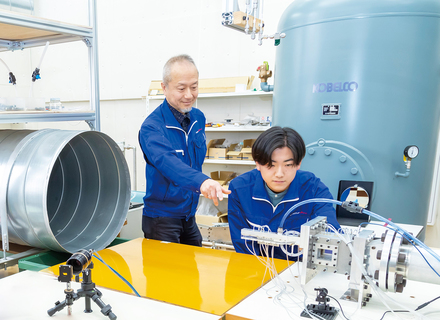
High-Speed Wind Tunnel 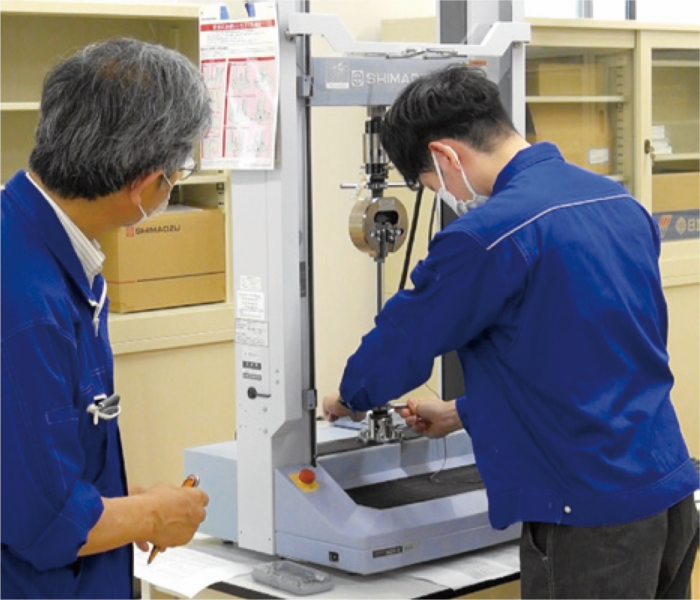
Material Testing Machine 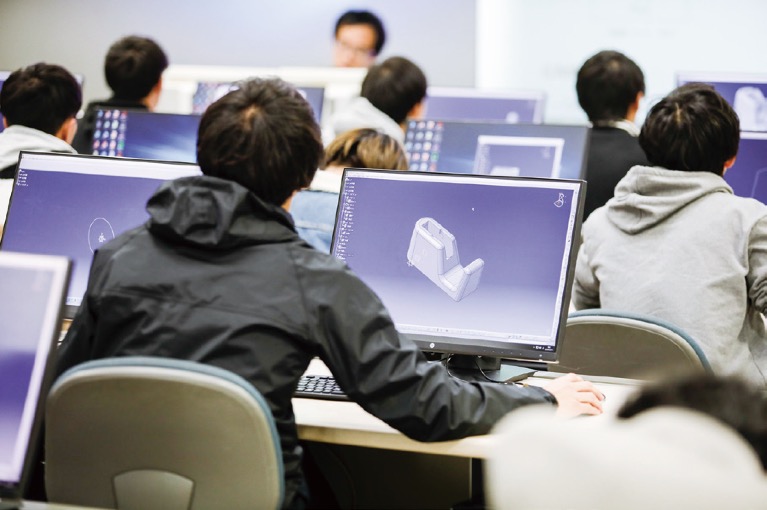
CATIA
Feature 2: Feel the World Firsthand! Perspective-Expanding Experiences
Through special experiences unique to the Department of Aerospace Engineering at Chubu University, your horizons will expand significantly.
- Feel the Power of Real-World Manufacturing!
The curriculum includes off-campus plant tours and factory internships.
Through these hands-on experiences, you can witness the impressive sites where real aircraft are manufactured—normally off-limits to the public—and learn corporate design methodologies.
- Experience the Dream of Piloting the Skies in Seattle!
An overseas study program in Seattle, USA—a major hub of the aerospace industry—is sure to become an unforgettable memory for students!
Here, you can put flight dynamics into practice by actually piloting a light aircraft.
By visiting the Boeing factory and aviation museums, you will feel the rich history of aircraft and the impressive scale of manufacturing.
You will also have opportunities to hear directly from professionals working on the front lines of the aerospace industry, including Japanese engineers based there, bringing your future dreams into clear focus.
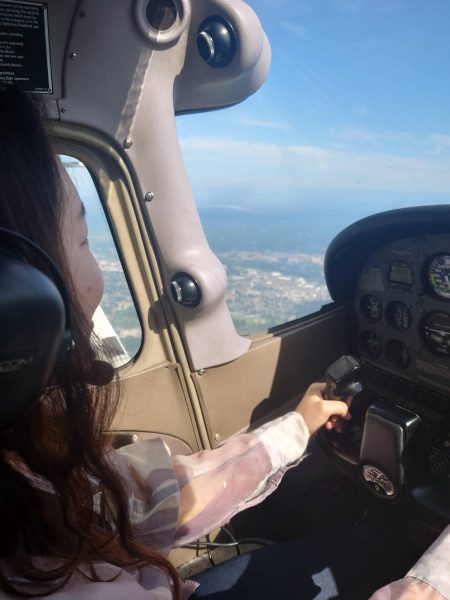
Flight Experience 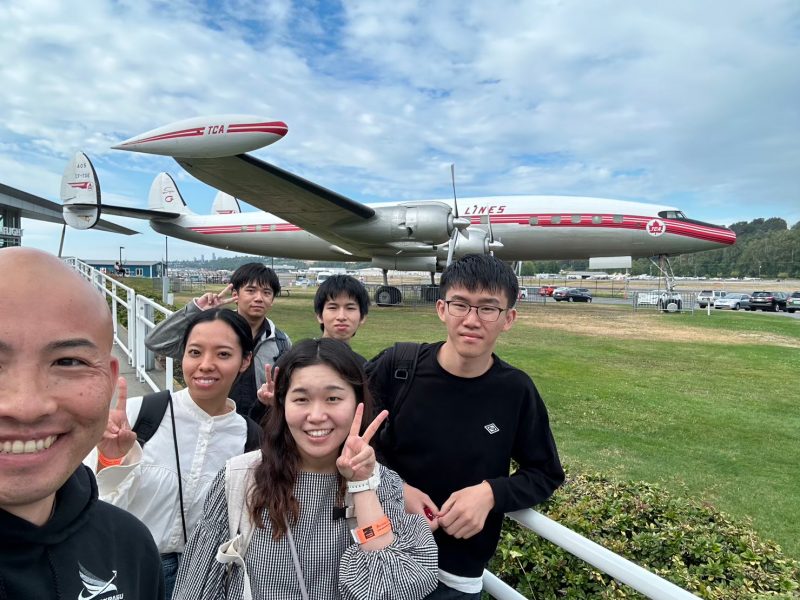
Aviation Museum 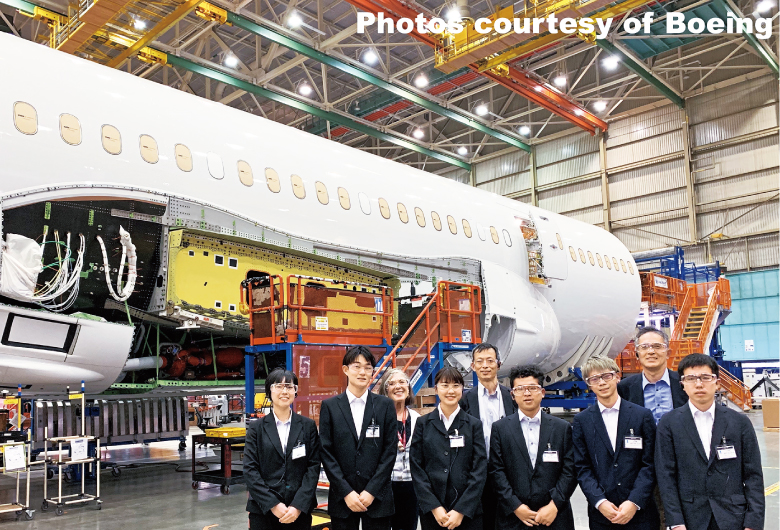
Boeing Factory Tour
Feature 3: Passionate Faculty and Peers Supporting Your Dreams
In this department, you will find professors who passionately support your ambition to take on new challenges, alongside peers striving toward similar goals.
- Faculty Members Who Answer Your Passion!
Some students chose the path of rocket research inspired by classes with Professor Takeshi Karita, whose passion for rockets is unmistakable.
In Associate Professor Masae Kanda’s lab, students share how discussions helped them deepen their ideas and sparked a desire to learn even more.
With faculty specializing in diverse fields—such as smart materials, fluid dynamics, nuclear fusion, drones, AI, and electric propulsion—there is an expert ready to match your interests. - An Environment that Encourages Challenges & Outstanding Peers!
In this department, peers active in extracurricular pursuits and faculty members who encourage student initiative strongly support your growth.
Exciting extracurricular activities are thriving, such as developing hybrid rockets, constructing planetary rovers, and building small aircraft.
For example, one student began building a rover in their sophomore year and achieved first place in the “Remote Control Division” at a competition in Tanegashima.
Through these activities, you not only learn teamwork and problem-solving skills, but also continuously refine your technical skills by applying classroom knowledge to practice and bringing hands-on insights back to your research!
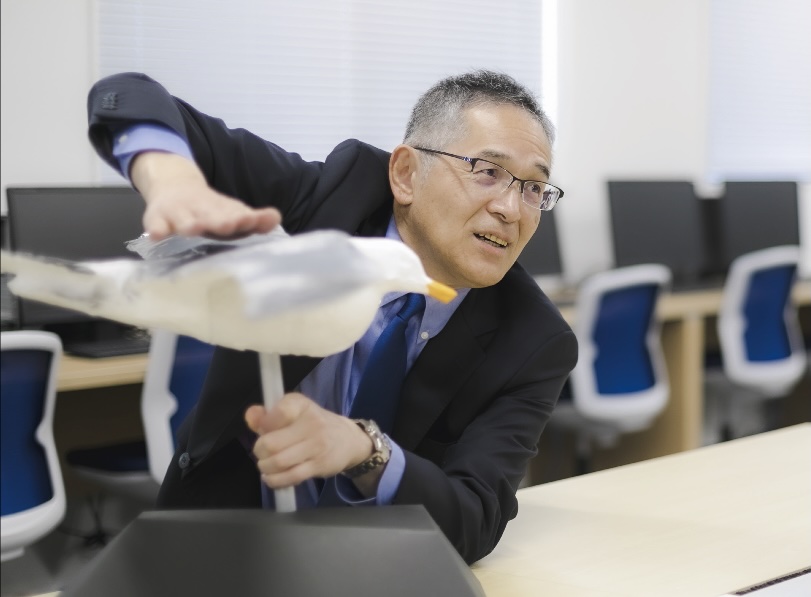
Passionate Faculty 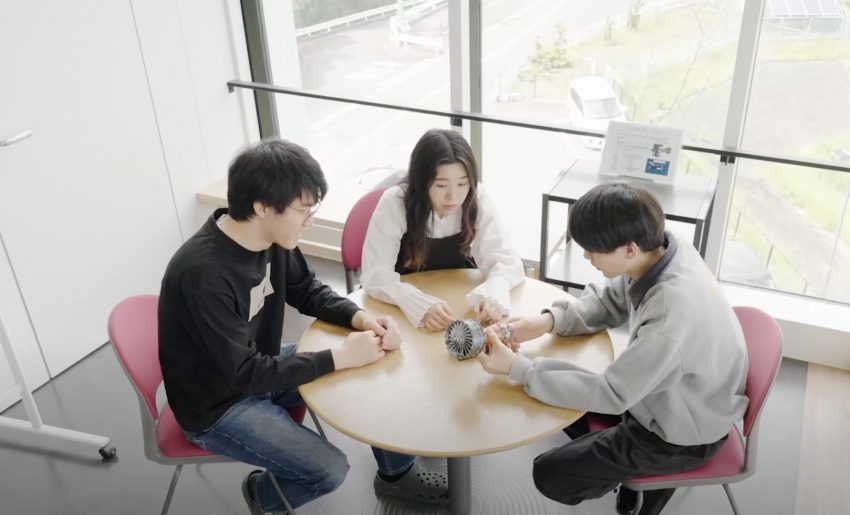
Department Peers 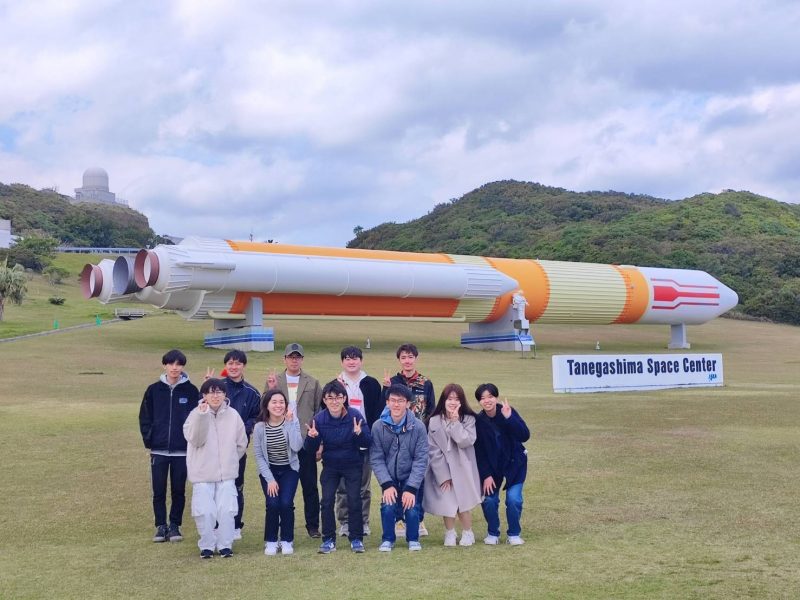
Extracurricular Activities in Tanegashima
Feature 4: Soar into the Future! Broad Career Horizons & Solid Skills
The education offered at Chubu University’s Department of Aerospace Engineering greatly expands your future career options, equipping you with solid capabilities to excel in society.
- Beyond Aerospace! Your Passion Opens Future Doors
You can acquire broad knowledge across essential aerospace disciplines, including mechanical engineering, electrical engineering, electronic engineering, information engineering, materials science, and data science.
This breadth of knowledge opens diverse career opportunities upon graduation—not only in aerospace companies, but also in automotive, computing, machinery, IT, and electronics sectors.
Alumni with varied ambitions have pursued their fields of interest, whether supporting flight safety as aircraft maintenance engineers, flying self-developed aircraft, or building rockets. - Gain Practical Knowledge and Real-World Experience!
Studying in this department enables you to acquire broad knowledge across manufacturing in general.
Through practical learning, you will gain hands-on experience in making informed decisions and solving complex problems with deep comprehension.
This knowledge and experience will serve as powerful tools for your future success across many industries.
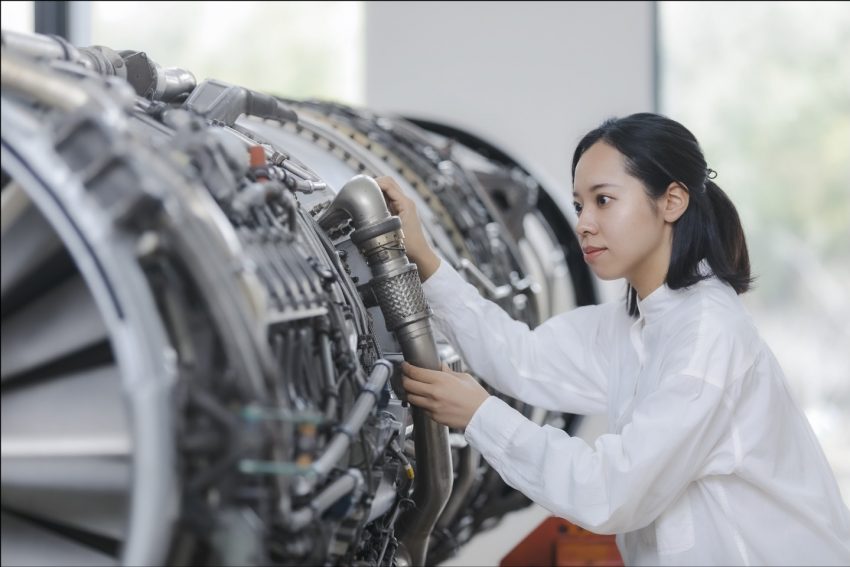
Graduate working as an aircraft maintenance engineer 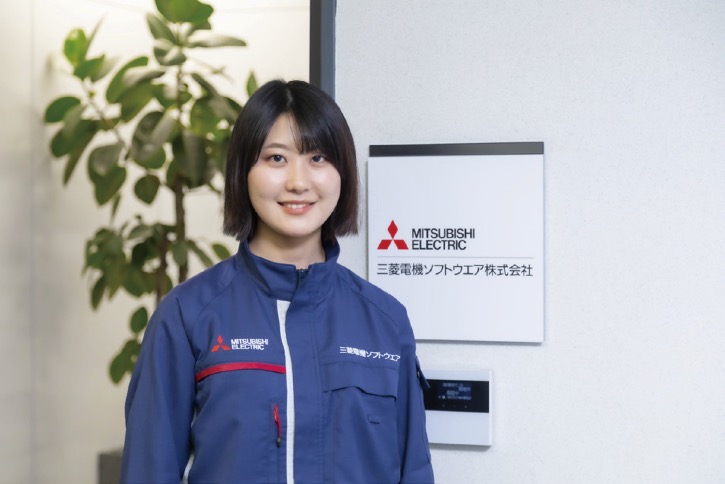
Graduate thriving as a software engineer 
Graduate who completed Chubu graduate school and joined a major automaker
The Department of Aerospace Engineering in the College of Engineering at Chubu University is the ultimate stage for you to ignite your passion for manufacturing, leap out into the world, and confidently grasp your future dreams!
Frontiers of Research Shaping the Future!
At the Department of Aerospace Engineering, Chubu University, cutting-edge research further accelerates your passion for manufacturing!
Here, exciting research abounds—ranging from aircraft and rocket design to future technologies powered by AI and pioneering new frontiers in space.
Another major appeal is the ability to choose your senior thesis project according to your interests, spanning from fundamentals to joint research with JAXA and aerospace companies.
Faculty Directory
1. Creating from Scratch! Manufacturing Practice & Design
Here, active research is underway to create future vehicles and advanced materials through hands-on practice.
- Morphing Aircraft and Space Antennas?! Creating the Future with Smart Materials
Professor Tadashige Ikeda’s laboratory researches aircraft and space antennas that can change shape almost like living organisms.
For instance, “morphing structures”—where airplane wings adaptively alter shape depending on conditions—might sound like sci-fi, but they are being realized using special “smart materials.” - Lightweight & Strong! New Materials Supporting Aircraft Electrification
Associate Professor Masae Kanda’s laboratory works on developing strong, lightweight new materials and low-power sensors/actuators required for electric aircraft.
Exciting projects are underway, including cryostats designed to withstand extreme low temperatures in space. - Thrilling Impact! Exploring the Heart of Rocket & Jet Engines
Professor Takeshi Kanda’s laboratory unlocks the secrets of fluid dynamics and combustion that power rocket and jet engines.
Students take on the challenge of conducting combustion experiments on rocket engines they designed and built themselves, and even manufacture and launch hybrid rockets in extracurricular projects.
The moment your own rocket engine roars to life is a deeply inspiring experience! - Seamless in Air and Water! Developing Next-Generation Vehicles
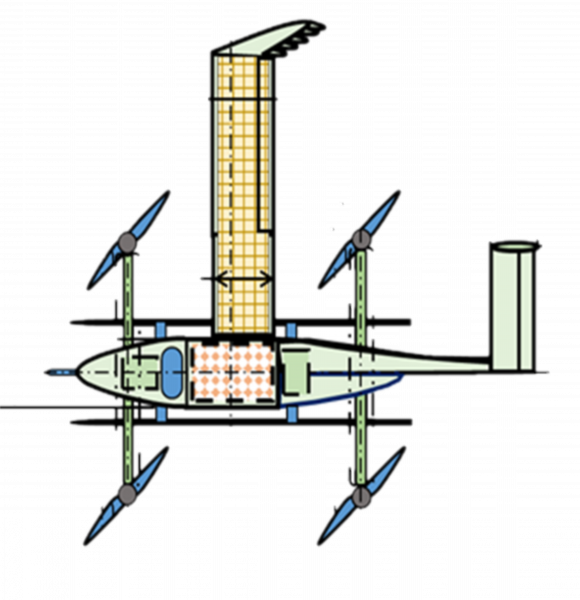
Professor Yoshiharu Tanahashi’s laboratory conducts research on eco-friendly, amphibious vertical takeoff and landing drones (eVTOL UAVs).
These are expected to play major roles in disaster relief transport and agricultural support.
In addition, the lab aims to realize compact, high-efficiency future power generation systems like muon-catalyzed fusion.
Rocket Engine Combustion Experiment (Warning: High Volume!)
2. Solving Challenges with AI and Data Science!
Research that utilizes cutting-edge AI (Artificial Intelligence) and data science to solve various challenges around us.
- Designing Safety! Security & Information Sharing Technologies
Professor Masahiro Hoguro’s laboratory conducts research to enhance security, including biometric authentication (fingerprint/face) and automated detection/identification of moving objects from video streams.
They also develop systems to streamline information sharing among medical facilities. - Pioneering the Future of Smart Farming! IT Agriculture
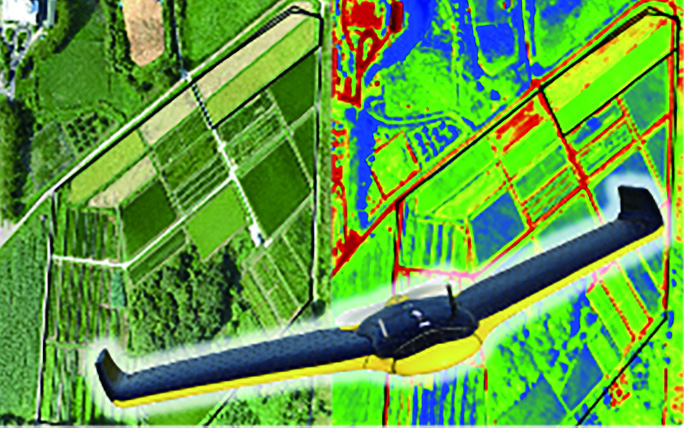
Professor Kiyoshi Honda’s laboratory develops web services specializing in remote sensing and IT agriculture to boost agricultural productivity and manage disaster risks.
They are shaping the future of agriculture through the power of IT. - Decoding Earth and Human Society from Air and Space! Earth Observation & Spatial Information Science
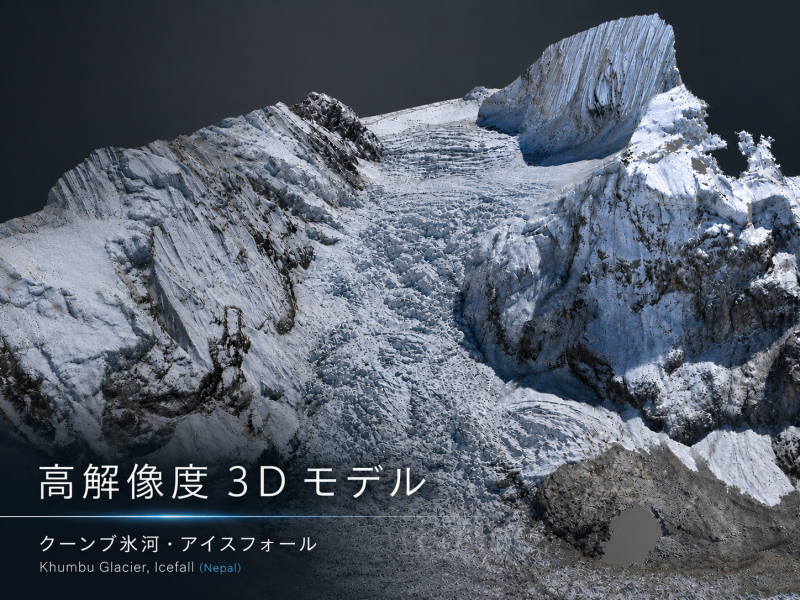
Professor Satoru Sugita’s laboratory utilizes Earth observation data from satellites, aircraft, and drones to research diverse global phenomena—including natural disasters, wildlife ecosystems, urban areas, and transportation.
Spanning sites from Japan to Southeast Asia and across the world, the lab works to deepen understanding and identify new challenges in global environments and human society. - Inspection by Sight! Automated AI Inspection for Aircraft Engines
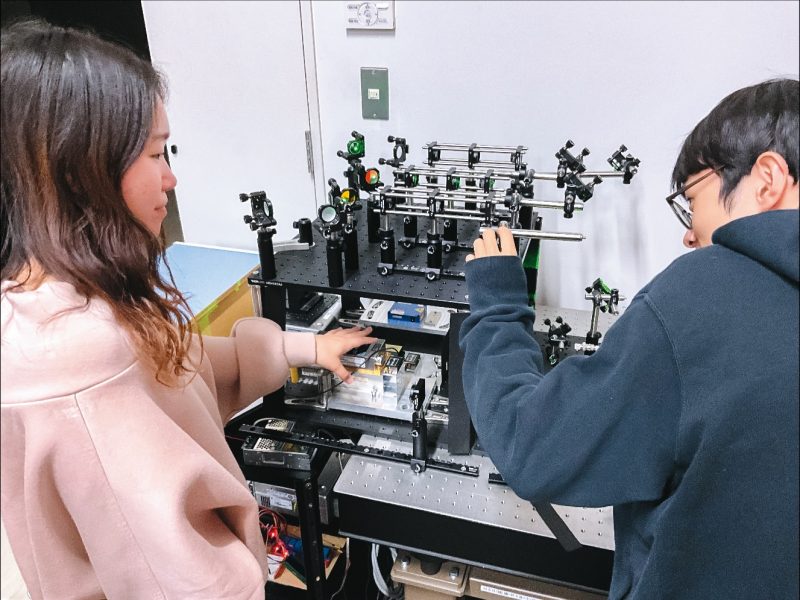
Associate Professor Koosuke Hattori’s laboratory researches ways to streamline manufacturing sites, developing visual inspection systems using cameras for aircraft engines and novel optical systems for high-precision shape measurement.
In medical and welfare domains, the lab also develops AI and statistical models to predict and visualize patient conditions and sleep patterns.
3. Innovative Energy and Frontier Exploration in Space!
Research is also underway to explore the unknown realm of space and generate innovative energy sources.
- Powering Future Mobility! Advanced Control Technologies & Energy Applications
Professor Masaru Hasegawa’s laboratory researches motor control systems used in electric vehicles and aircraft.
By developing new technologies to drive electrified vehicles more efficiently and powerfully, they contribute to the future of transportation. - Power of Electricity in Space! Developing Next-Generation Thrusters
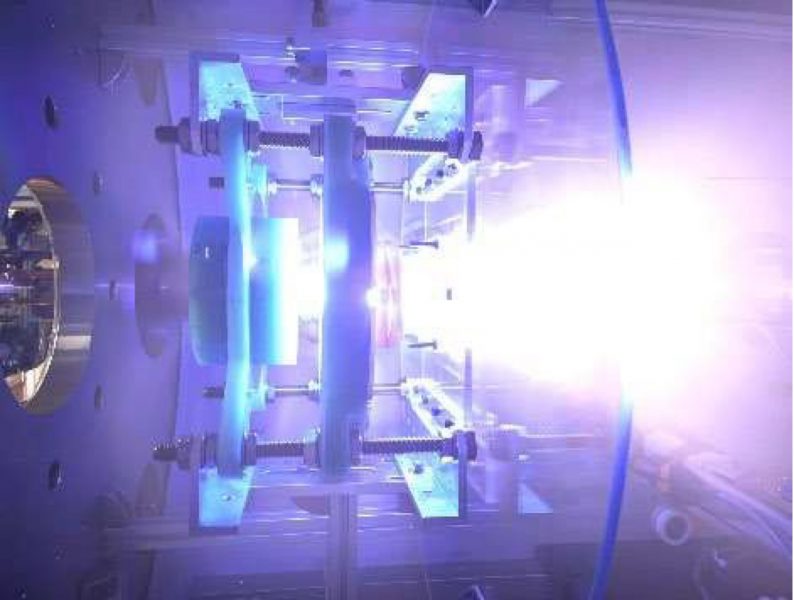
Associate Professor Daisuke Kuwahara’s laboratory is developing space electric propulsion systems called “RF Plasma Thrusters” for satellites and future lunar/Martian exploration craft.
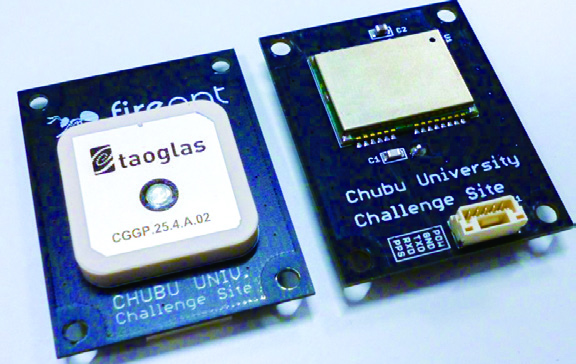
The goal is to achieve dream engines that travel long distances effectively using electrical power. - Where in Space? Ultra-Compact GPS for Precise Positioning!
Associate Professor Takuji Ebinuma’s laboratory researches navigation systems that pinpoint satellite locations in space with high precision.
Notably, they developed “Fireant,” an ultra-compact, stamp-sized GPS receiver that has already been launched aboard JAXA rockets.
It is a remarkable technology capable of accurately tracking satellites traveling at 7 kilometers per second.
Experience Cutting-Edge Research with Top-Tier Facilities!
The Department of Aerospace Engineering at Chubu University features full-fledged research facilities, including a high-speed wind tunnel capable of reproducing airflows two to three times the speed of sound, a low-speed wind tunnel simulating low-speed flight (which is still 60 m/s!), and a flight simulator for pilot-like flight experiences.
Furthermore, students can learn CATIA, the professional 3D CAD software used in industry, building truly practical skills.
Why not challenge yourself with research that shapes the future in the Department of Aerospace Engineering at Chubu University?